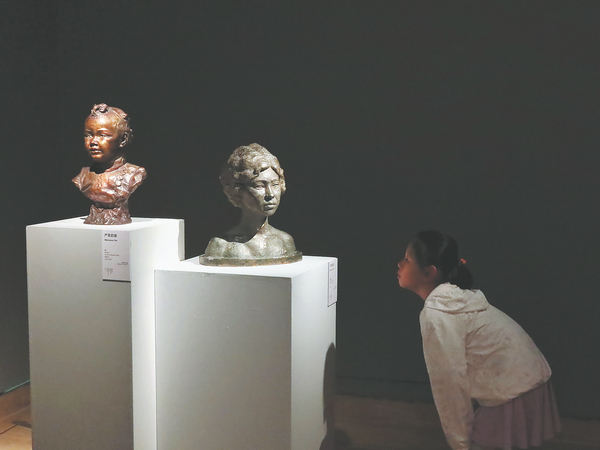
Boxwood Carving
Overview
Boxwood carving is a traditional form of sculpture that utilizes the fine-grained, dense wood of the boxwood tree to create intricate and detailed designs. This art form has been a significant part of Chinese cultural heritage, particularly in regions such as Yueqing in Zhejiang province. The skill of boxwood carving requires a combination of artistic vision, manual dexterity and a deep understanding of the medium's unique properties. Historically, boxwood carvings have been appreciated for their detailed depiction of subjects, ranging from human figures and animals to intricate patterns and landscapes.
Historical Context
Boxwood carving has a long-standing tradition in China, particularly flourishing in areas known for their rich cultural heritage and abundance of skilled artisans. Yueqing, located to the west of Yandang Mountain and facing the Oujiang River, has been a prominent center for this craft. Over thousands of years, the region's craftsmen have developed a vibrant folk culture, with boxwood carving being one of its notable expressions.
The craft is renowned for its precision and the ability to bring out the finest details, thanks to the boxwood's hard and fine-grained nature. Historically, boxwood was favored for its durability and smooth texture, which allowed artisans to carve intricate details without the wood splintering. This made it suitable for creating items ranging from religious icons and figures to decorative household items and elaborate art pieces.
Techniques and Styles
The art of boxwood carving involves several traditional techniques that have been honed over generations. Artisans begin byselecting the appropriate piece of boxwood, considering the grain and density that would best suit the intended design. The wood is then cured to prevent cracking and warping. Carvers use a variety of tools, including chisels and knives, to shape and detail the wood.
One of the prominent figures in the realm of boxwood carving is Yan Dehui, a Chinese sculptor who contributed significantly to the art form while bridging Eastern and Western artistic traditions. Born in Zhejiang province, Yan Dehui began learning boxwood carving at the age of 13 from renowned local artisans. His early exposure to the craft laid a foundation for his later works, which often integrated traditional Chinese elements with Western sculptural techniques.
Yan Dehui's journey as an artist took him to France in 1938, where he became part of a broader movement of Chinese artists studying and working abroad. His works demonstrate a fusion of Eastern and Western influences, as he sought to harmonize European artistic inspirations with the traditional forms he had mastered in China.
The styles of boxwood carving can vary significantly, ranging from realistic depictions of figures and animals to more abstract and symbolic representations. Many pieces are characterized by their meticulous attention to detail and the ability to convey complex expressions and intricate natural patterns. Traditional themes often include mythological and historical figures, as well as everyday scenes that capture the essence of Chinese life and philosophy.
Preservation and Modern Development
Boxwood carving holds significant cultural value, serving as a medium for preserving and showcasing Chinese cultural and artistic traditions. The craftsmanship is passed down through generations, with master artisans training apprentices to ensure the continuity of the art.
The integration of traditional boxwood carving into modern contexts is crucial for its preservation and continued relevance. The Yueqing Intangible Cultural Heritage Museum has played an essential role in promoting and preserving the art of boxwood carving. The museum, which integrates traditional Yueqing culture with modern preservation techniques, allows visitors to explore the history and techniques of boxwood carving alongside other cultural heritage items.
Combining traditional craftsmanship with modern technology, the museum creates a space where visitors can engage interactively with the cultural heritage items on display. Dynamic performances, digital audiovisual elements and interactive components breathe new life into the time-honored art of boxwood carving, making it accessible to a wider audience and ensuring its place in the cultural narrative of future generations. Article reference1. Love for home shines through. en.chinaculture.org. 20242. Digitalization brings cultural heritage to life. chinaservicesinfo.com. 2023Photo Gallery(3 pictures)CategoriesCultural HeritageTagIntangible Cultural HeritageChinese SculptureRelatedYan DehuiCatalogue1. Overview2. Historical Context3. Techniques and Styles4. Preservation and Modern Development- - - []








